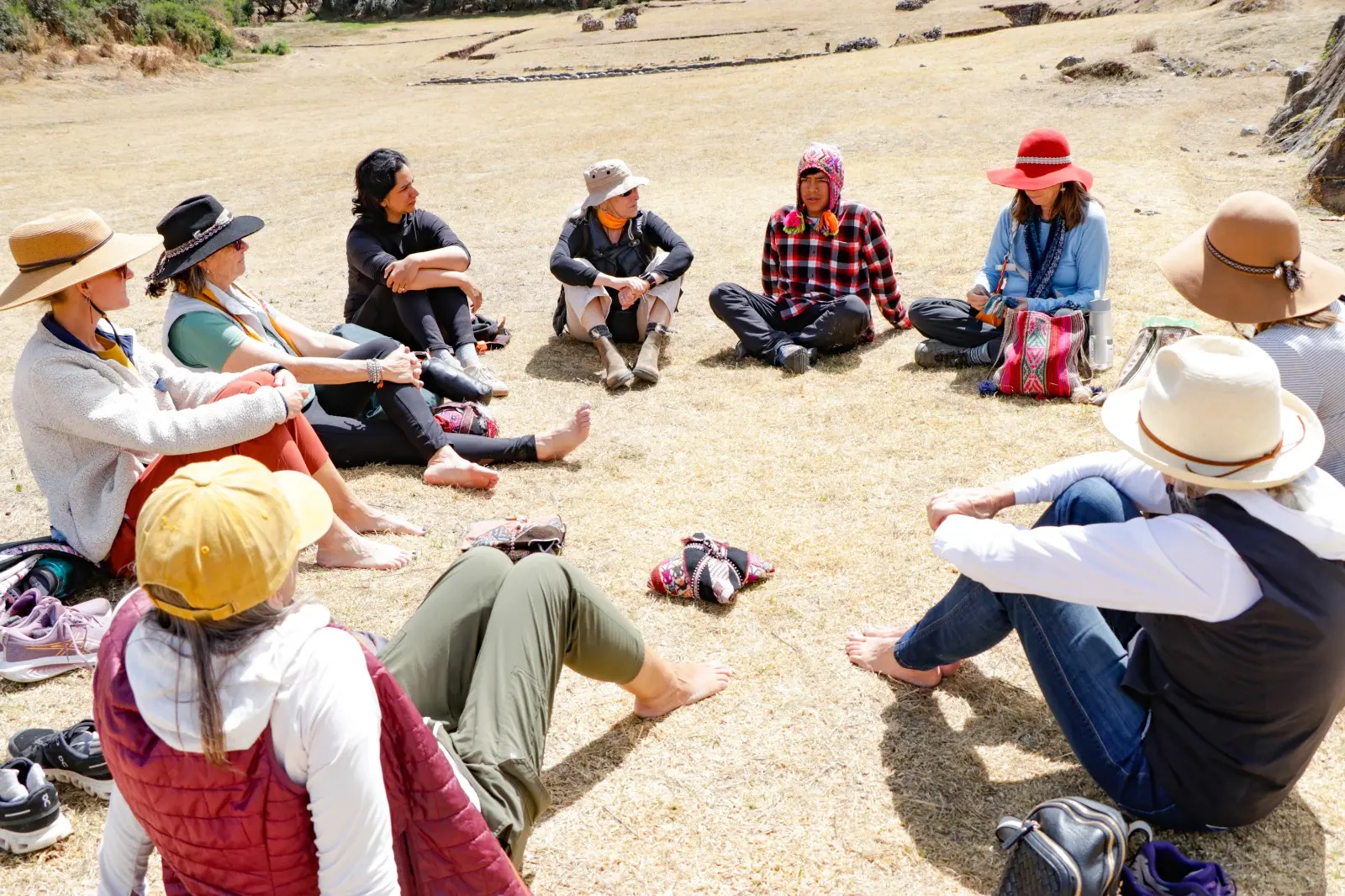
Q’ero Spiritual Trek in Peru: 5 Life-Changing Reasons to Join an Andean Community

Full Day Tour Qero

The Peruvian Andes are far more than mountains—they are a living spiritual sanctuary that has safeguarded ancient wisdom for thousands of years. While most travelers arrive searching for breathtaking scenery or classic hiking adventures, only a few discover the profound ancestral knowledge preserved by the Q’ero community, known as the last living descendants of the Inca.

Joining a Q’ero spiritual trek is not only about walking through incredible landscapes—it’s about reconnecting with yourself, learning directly from ancestral wisdom, and experiencing the Andes as they were meant to be experienced: consciously, respectfully, and spiritually.

In this article, you’ll explore the key reasons why a spiritual trek in Peru with the Q’ero can transform your life, shift your perspective, and deepen your inner journey.

Let’s uncover the five essential reasons why this experience is truly unique.

Connect with Authentic Q’ero Ancestral Wisdom

The Q’ero people are widely recognized as the most authentic keepers of ancestral Andean spirituality. For generations, they have preserved rituals, healing traditions, and a worldview based on harmony with Pachamama (Mother Earth) and the Apus (sacred mountains).
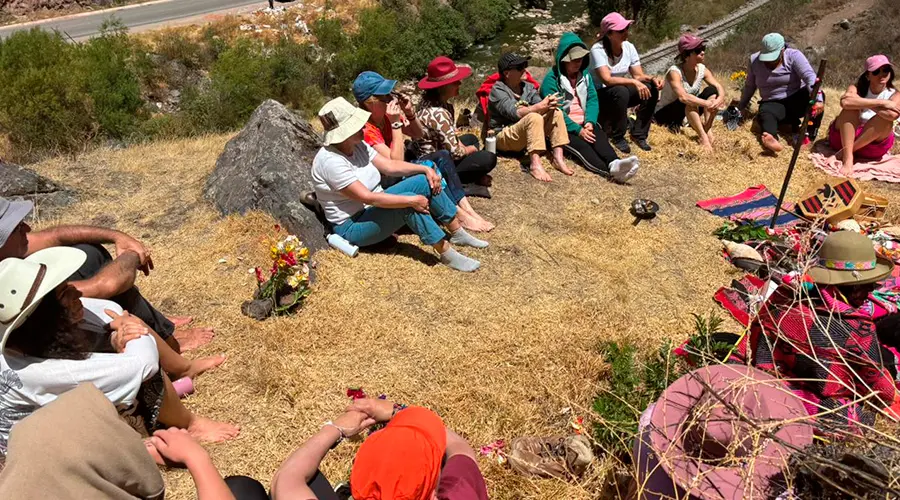
Full-Day Sacred Andes Experience

When you walk with the Q’ero community, you are not merely hiking—you are learning directly from the original source of Andean spirituality, guided by those who have protected this wisdom for centuries.

During a Q’ero trek, you will learn:
• the meaning of sacred reciprocity (ayni)
• how to honor the Apus
• how energy flows through nature
• how to connect with Mother Earth consciously
• ancestral healing perspectives

Their teachings are not theoretical—they are lived, practiced, and deeply felt in every ceremony and interaction.

The wisdom of the Q’ero invites you to see life through a sacred lens, where everything is alive, interconnected, and spiritually meaningful.

Experience a Deep Spiritual Transformation

Unlike traditional trekking, a spiritual trek in Peru focuses on your inner transformation. Instead of rushing or counting steps, you walk consciously, breathe slowly, observe deeply, and connect with both the landscape and yourself.

Many travelers describe a Q’ero trek as a turning point in their lives. When you disconnect from noise, hurry, stress, or technology, you begin to notice subtle shifts in your thoughts, emotions, and inner clarity.

This journey invites you to:
• slow down
• breathe consciously
• honor silence
• allow nature to guide you
• reconnect with your inner voice

Every step becomes meaningful. Every view becomes a teaching. Every moment becomes meditation—a profound invitation to transformation.

Participate in Authentic Andean Ceremonies

Most travelers visit Peru without ever accessing real Andean spirituality. But with the Q’ero, ceremonies are not tourist attractions—they are sacred ancestral practices passed down through countless generations.

Your Q’ero spiritual trek may include:
• despacho offering to Pachamama
• coca leaf ceremony
• energetic cleansing with plants
• meditation in sacred lagoons
• connection with Apus
• blessing rituals

Each ceremony is carefully guided by Q’ero elders (paqos), who share prayers, chants, offerings, and ancient symbolism with profound respect and authenticity.

These sacred rituals help open your energy, release emotional blockages, and align your intention with the powerful spiritual spaces you visit—transforming your trek into a deeper spiritual journey.

Support Sustainable Community-Based Tourism

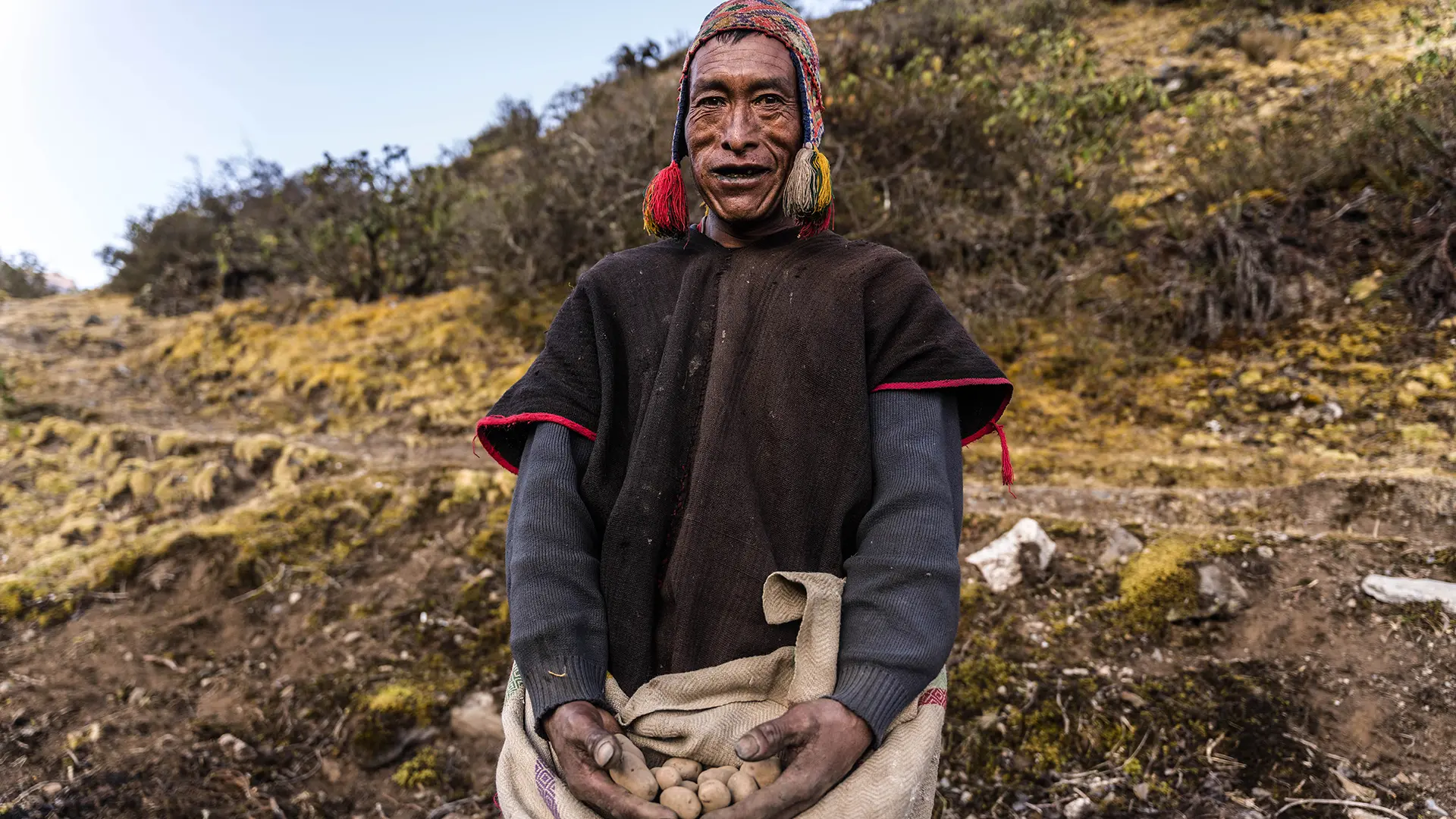
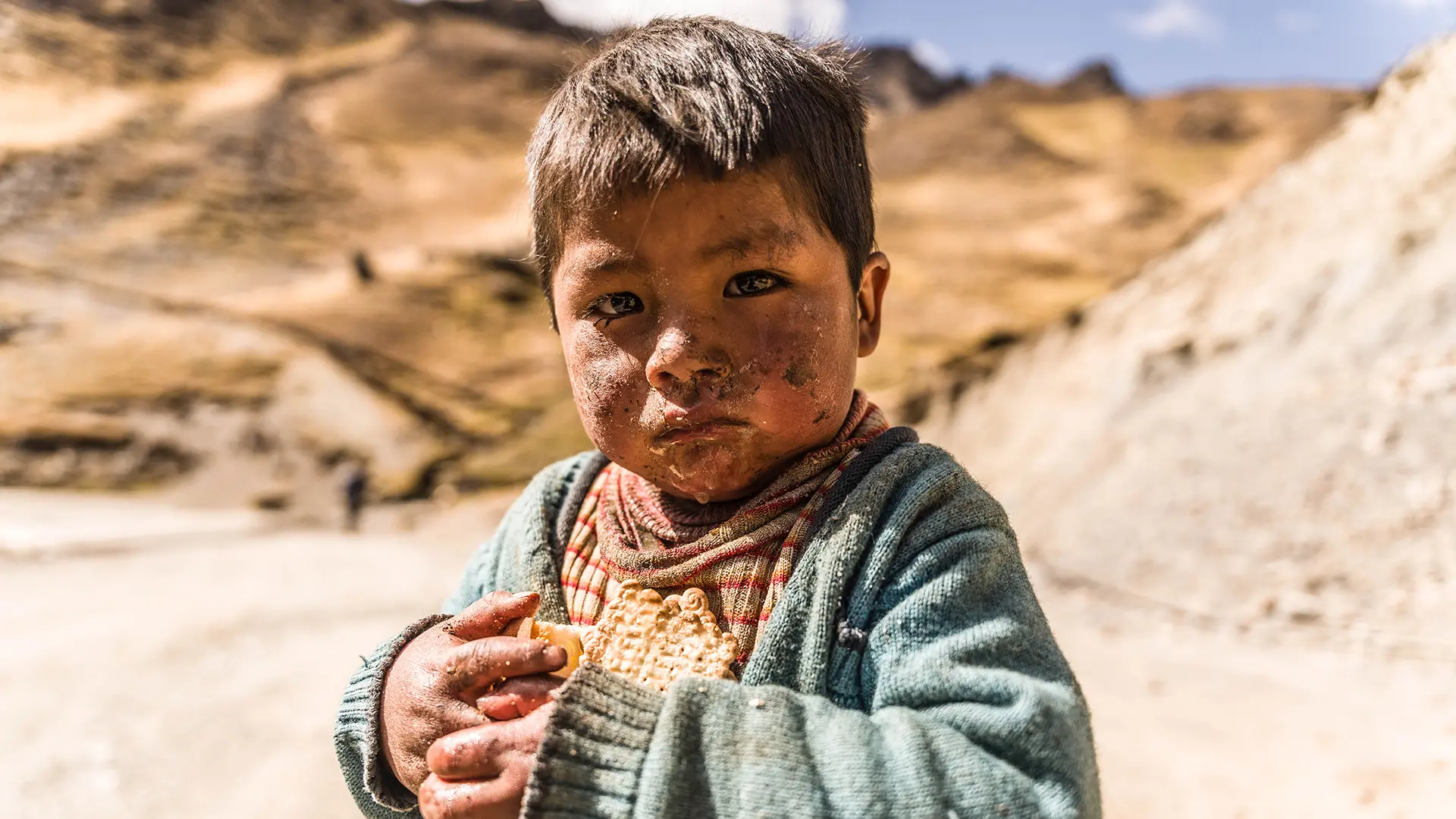
Choosing a Q’ero spiritual trek means supporting local families, preserving cultural traditions, and helping protect ancestral knowledge for future generations. By joining this journey, you directly contribute to a community that continues to safeguard sacred wisdom and spiritual practices that might otherwise disappear.
Support Sustainable Community-Based Tourism
qero community

By participating, you:
• contribute directly to the Q’ero economy
• help preserve indigenous traditions
• support fair and respectful tourism
• protect sacred territories
• promote sustainable travel

Your visit becomes a meaningful contribution—not just a trip. This is conscious, responsible, and deeply ethical travel, rooted in reciprocity and respect for the people and land that welcome you.

Feel the Sacred Energy of the Andes

There is a reason spiritual seekers from all over the world travel to the sacred Andes: the mountains are alive. According to Q’ero teachings, every Apu holds a spirit, a consciousness, and an ancient voice that guides those who are willing to listen.

Many travelers report extraordinary sensations such as:
• profound peace
• emotional release
• unexpected clarity
• deep feelings of connection
• spiritual healing

Some describe it as returning home to something ancient their soul already knew—an inner recognition of a wisdom that has always been there.

Here, you don’t just look at the mountains—you feel them. You sense their presence, their guidance, and their quiet power as part of your Andean mountains spirituality experience.

True Transformation Happens When You Walk With Intention

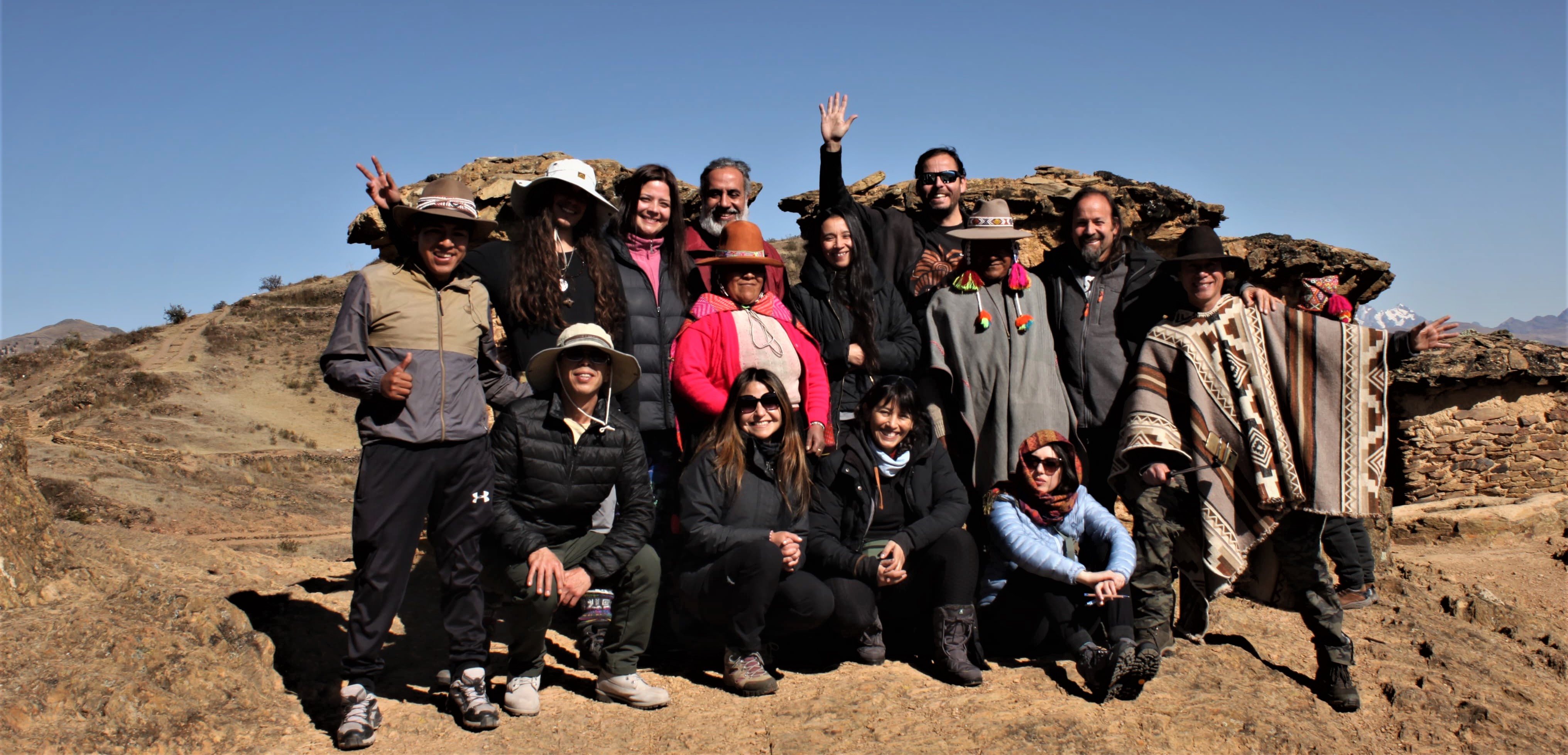
A Q’ero spiritual trek is not about the destination—it’s about the journey. It’s not about altitude—it’s about consciousness. It’s not about walking—it’s about remembering who you truly are.
Qero spiritual trek

When you move through sacred terrain guided by ancestral wisdom, you begin to discover something extraordinary: you are part of nature, not separate from it. The mountains become teachers, the wind becomes guidance, and the earth becomes a sacred path back to yourself.

This is what makes Q’ero trekking a life-changing experience—one that stays with you long after the journey ends.

Conclusion: Are You Ready for a Journey That Changes You?

If your heart feels called toward ancient wisdom, healing, and personal transformation, then this experience is meant for you. Walking with the Q’ero community is not tourism—it’s a spiritual encounter with the living essence of the Andes.

You will return home with:
• renewed clarity
• emotional healing
• deeper purpose
• unforgettable memories
• a profound spiritual awakening

Begin your Q’ero spiritual journey and allow the Andes to transform you from within.

Reserve your spiritual trek and step into a deeper, more conscious version of yourself.

Frequently Asked Questions

What is a Q’ero Spiritual Trek?

A guided journey that combines hiking, ancestral teachings, sacred ceremonies, and spiritual connection with Andean wisdom and Q’ero spirituality.

Do I need previous spiritual experience?

Not at all—your intention and openness are more important than prior knowledge.

Are the ceremonies authentic?

Yes. All rituals are guided by Q’ero elders and follow genuine ancestral tradition.

Is altitude difficult?

It can be challenging, but with proper acclimatization and a conscious pace, it is manageable for most travelers.

When is the best time of year to go?

May to September (dry season) offers the best conditions, although spiritual treks in Peru can be experienced all year.

How long is a typical Q’ero trek?

Most programs range from 2 to 5 days, depending on the route and sacred ceremonies included.

Is the trek physically demanding?

Moderate difficulty. The focus is on spiritual connection rather than physical performance or speed.

Can I travel alone?

Yes. Many travelers join individually seeking a personal spiritual journey in the Andes.

What should I bring?

Layers, hiking boots, a journal, water bottle, sunscreen, and above all, an open heart.

Are Q’ero ceremonies safe?

Yes. Ceremonies are guided respectfully and gently by experienced Q’ero practitioners.

Will I learn about Andean spirituality?

Absolutely—learning is a fundamental part of Q’ero spiritual trekking and ancestral connection.

Can this trip help with emotional healing?

Many travelers experience emotional clarity, release, and deep healing through ceremony, nature, and mindful presence.

How to Prepare for a Spiritual Trek in the Andes

Qero Traditional Healing Ceremony

The Andes of Peru are far more than a mountain range—they are a sacred realm where history, nature, and spirituality intertwine in every stone, river, and summit. Travelers who arrive here are not simply hiking; they are entering a living sanctuary shaped by ancestral wisdom and untouched landscapes that continue to pulse with the energy of ancient civilizations.

Preparing for a spiritual trek in the Andes means preparing both body and spirit to receive teachings safeguarded for centuries by the Q’ero nation, widely known as the last Inca descendants.

In this guide, you’ll discover how to prepare fully—physically, mentally, and spiritually—and learn what to pack, how altitude impacts your body, and how to cultivate the right mindset for a truly transformative experience in one of the world’s most powerful and sacred spiritual destinations.

What to Pack for a Spiritual Trek in Peru’s Andes

Packing for a spiritual trek goes far beyond the usual checklist of hiking boots and warm layers. While practical trekking gear is important, spiritual preparation plays an equally meaningful role. The Q’ero territories are remote, pristine, and deeply symbolic, so every item you bring should support comfort, safety, and presence—rather than add unnecessary weight or distraction.

Many travelers underestimate how quickly the weather changes at high elevation. One moment, sunlight warms the trail; the next, clouds descend with cold winds, rain, or even snow. Packing layers and the right equipment is essential—not only to stay comfortable, but to remain fully connected to your journey without worrying about physical discomfort.

Clothing Layers for High Elevation Weather

Weather in the Andes is a living force—it shifts constantly with the mountains, winds, and high altitude. Temperatures can change dramatically throughout the day, especially above 4,000 meters, where cold air, strong sun, and sudden wind are common.

Recommended clothing includes:
• thermal base layers
• warm mid-layers (fleece or down jacket)
• waterproof or windproof jacket
• hiking pants
• gloves and beanie
• warm socks (wool preferred)
• neck gaiter or buff for wind protection

During the day, sunlight can feel surprisingly intense, while nights can drop well below freezing. Understanding how to layer allows you to regulate temperature effectively and remain grounded during ceremonies or meditative moments outdoors—an essential part of spiritual trekking in Peru.

Footwear and Trekking Comfort

Your feet are your direct connection to the land, and choosing the right footwear is essential for comfort, safety, and presence during your spiritual trekking journey. Quality boots protect your ankles, give stability on uneven trails, and allow you to fully immerse in each step—physically and spiritually.

Ideal footwear:
• waterproof hiking boots with ankle support
• already broken-in boots (never brand-new!)
• trekking poles (highly recommended)

Even on a sacred trail, the Andes demand respect—both physically and spiritually. The better prepared your feet are, the more you can focus on the deeper experience rather than dealing with discomfort.

Personal Gear for Focus and Presence

Beyond clothing, consider bringing items that nurture presence, clarity, and introspection throughout your spiritual trek in Peru. These small but meaningful essentials help you stay centered, reflect on your experience, and create deeper connection during sacred moments in the Andes.

Recommended items:
• journal or notebook (highly recommended)
• reusable water bottle
• sunscreen and sunglasses
• small sacred objects (stones, amulets, meaningful items)
• personal meditation tools (optional)
• a comfortable backpack (30–40 L)

These objects support your inner process and emotional awareness while keeping your load light and intentional—allowing you to stay fully present during your spiritual trekking journey.

Understanding Altitude and Acclimatization in the Andes

Understanding Altitude and Acclimatization in the Andes

Altitude is one of the most common concerns for travelers visiting the Andes, especially when treks reach elevations above 3,800 meters (12,467 ft). Experiencing mild symptoms of altitude sickness is completely normal, and preparing properly will help you enjoy your spiritual trek without unnecessary discomfort.

Beyond biology, altitude in the Andes also holds deep cultural meaning. In the Andean worldview, mountains are conscious spiritual beings—Apus—and higher elevations are considered places of transformation, clarity, and connection. Arriving with respect, patience, and humility is not only practical—it is part of the spiritual preparation itself.

What Happens to Your Body at High Altitude

As elevation increases, oxygen becomes thinner and your body needs time to adjust. Experiencing symptoms of altitude sickness is completely normal, especially above 3,500 meters. Common sensations may include:
• mild headache
• shortness of breath
• fatigue
• light dizziness
• reduced appetite

This adjustment period is temporary and generally fades once your body adapts to the high altitude environment and thinner air.

Best Practices for Acclimatization

A simple and effective acclimatization plan includes:
• spend 2 days in Cusco before trekking
• avoid intense exercise the first 24 hours
• eat light, nourishing meals
• drink plenty of water
• avoid alcohol during initial days
• walk slowly and consciously

Altitude should never be rushed. Allowing your body time to adjust is not just practical—it’s part of the conscious preparation for your spiritual trekking experience.

Breathing, Hydration, and Pace

Breathing deeply, drinking water consistently, and allowing your body to adapt are essential for safe trekking in the Andes. In Q’ero philosophy, walking with consciousness—not speed—is the essence of the journey.

Your breath becomes a meditation, your steps become intention, and your pace becomes a prayer—helping you stay connected to the sacred energy of the mountains throughout your Andes spiritual travel.

Cultivating the Right Mindset for a Sacred Journey

More than any physical preparation, your mindset determines the depth of your spiritual experience. Walking through the Andes is not just about admiring landscapes—it’s about entering a spiritual dialogue with the land, the mountains, and your own inner world.

Andean Cosmology

Indigenous wisdom teaches that true transformation begins long before your feet touch the trail. By preparing mentally, emotionally, and spiritually, your trek evolves into a personal ceremony rather than just an outdoor adventure.

A conscious mindset invites you to slow down, listen deeply, and allow the energy of the Andes to guide your spiritual journey step by step.

Setting Your Intention

Before beginning your spiritual journey, take some intentional time to reflect:
• Why am I making this journey?
• What am I seeking?
• What part of myself am I ready to transform?
• What do I want to learn from the Andes?

Write your intention in your journal—this simple practice strengthens your purpose and becomes a guiding thread throughout your trek. Your intention will walk with you, shaping each moment of your Andean sacred trekking experience.

Connecting with Andean Spiritual Concepts

Full-Day Sacred Andes Experience

Understanding essential elements of Q’ero spirituality will enrich your experience profoundly and allow you to connect more respectfully with the Andean worldview. Some foundational concepts include:
Pachamama (Mother Earth)
Apus (mountain spirits)
Ayni (sacred reciprocity)
Munay (unconditional love)
Kawsay (life force)

Learning these ideas prepares your mind to listen rather than analyze—an essential shift for authentic spiritual travel in the Andes.

Preparing Emotionally and Energetically

To honor the sacred environment, many travelers begin preparing weeks before their spiritual trek. Helpful practices include:
• meditation
• conscious breathing
• walking in nature
• practicing gratitude
• reducing digital distractions

These simple actions help you arrive in a more receptive state—ready to engage fully with ceremony, nature, and the deeper energy of Andean sacred trekking.

Conclusion: A Transformational Path Awaits You

A spiritual trek in the Andes is not a vacation—it’s a calling. Preparing intentionally allows you to walk not only confidently, but consciously, opening yourself to the teachings that nature and the Q’ero elders generously share.

When you hike in the Andes with purpose, every step becomes meditation and every landscape becomes a doorway to ancient wisdom. The mountains don’t just surround you—they guide you, challenge you, and reveal what you’re ready to transform.

If your heart feels this call, Andean Spirit offers guided spiritual trekking experiences led by Q’ero elders, designed to immerse you in authentic ceremony, ancestral knowledge, and sacred Andean landscapes.

Reserve your spiritual trek and begin your transformational journey today—let the Andes awaken something powerful within you.

Frequently Asked Questions

Is a spiritual trek difficult?

Difficulty varies, but most spiritual treks in the Andes involve moderate hiking and high altitude. Proper acclimatization and a conscious pace are essential.

Do I need previous trekking experience?

Not necessarily. Spiritual trekking focuses more on presence and connection than on physical performance or speed.

When is the best time to visit the Andes?

The dry season (May–September) offers the most stable weather, but spiritual trekking in Peru is available year-round.

Can I participate in ceremonies if I’m new to Andean spirituality?

Absolutely. Q’ero elders guide all ceremonies respectfully and gently, adapting to each traveler’s level of understanding.

Is altitude medication necessary?

Some travelers use medication, but it’s best to consult your doctor. Most people adapt naturally with proper preparation and acclimatization in Cusco.

Do I need previous spiritual experience?

No. Your intention, respect, and openness are more important than previous knowledge or practice.

What exactly is a Q’ero spiritual trek?

It is a guided journey that combines hiking with ancestral teachings, healing practices, Andean rituals, and direct spiritual connection with sacred landscapes.

Are Q’ero ceremonies safe?

Yes—ceremonies are led by trained Q’ero healers and paqos who have practiced these traditions for generations.

Is altitude dangerous?

It can be challenging, but with preparation and proper pace, it is manageable. Listening to your body is fundamental in the Andes.

Will I learn about Andean spirituality?

Absolutely. Learning is a core part of Andean sacred trekking—you’ll gain insights into Pachamama, Apus, Ayni, Munay, and ancestral worldviews.

Can this journey help with emotional healing?

Many travelers experience deep emotional release, clarity, and personal transformation through the combination of ceremony, meditation, and connection with nature.

Going Deeper: A Pachamama Retreat

Going Deeper A Pachamama Retreat

Honoring the Wisdom of the Q’ero People in the Sacred Andes

Deep in the heart of the Peruvian Andes lives the ancestral wisdom of the Q’ero people, guardians of an ancient spiritual tradition rooted in deep connection with nature and the cosmos. Their sacred Pachamama ceremonies invite us to remember a different way of being, one that honors the Earth, respects all life, and brings us back into alignment with our true selves.

A Ceremony of Gratitude

At the heart of the Q’ero tradition is the Pachamama ceremony, a powerful ritual of gratitude to Mother Earth known as Pachamama.In this ceremony, we give thanks for everything she offers us:
  • The light of the sun, the moon, and the stars
  • The food we eat, the air we breathe, and the water we drink
  • The people we love, and the love we share with others
Pachamama sustains all life. She asks for nothing but awareness, respect, and reciprocity.During the ceremony, you are invited to express your gratitude and to ask — from the heart — for what you most need:
  • Health
  • Work and purpose
  • Family and love
  • Spiritual connection
These prayers are offered with faith and clear intention, trusting that Pachamama hears us and responds with loving support. We also take time to send blessings to those going through difficult times — both loved ones and strangers.This ceremony reminds us that we are not alone. We are all connected. And in that connection, we find healing.

A World in Need of Consciousness

The Q’ero elders teach that many of the world’s problems today poverty, war, hunger, ecological destruction, come from a lack of consciousness.Going Deeper: A Pachamama RetreatConsciousness is the small voice within us that tells us when something is right or wrong. It’s our inner compass. But too often, we ignore it. We forget that life is sacred.To listen again to our hearts, to the Earth, to one another is exactly what Pachamama(mother eath) is asking of us now.She doesn’t need our perfection she needs our awareness.

The Three Sacred Worlds Of Andean Cosmology

In Andean spirituality, the world is not divided between body and spirit, or earth and heaven. Everything is alive. Everything is energy. The Q’ero recognize three sacred realms all deeply connected:
  1. The Upper World – Hanan Pacha
The world of the divine, where light beings, angels, ancestors, and teachers dwell. This is the realm of pure spirit  the source of illumination, guidance, and divine energy. From here, humanity receives vision and spiritual awakening.
  1. The Middle World – Kay Pacha
This is the world we live in — where we walk as human beings and interact with nature. The mountains, rivers, trees, lakes, and stones are all alive and filled with spirit. Everything we see and touch has energy. Nothing is separate.
  1. The Lower World – Uku Pacha
Often misunderstood, this is not a place of evil — but a realm of deep emotional energy, transformation, and healing. Just as heavy emotions settle in our bodies, dense energies exist in this world. Here, we release what no longer serves us and reconnect with our roots.A Path of ReturnThe Pachamama retreat is not just an escape — it is a return. A return to balance. A return to nature. A return to your own sacred heart.Through this ceremony and the teachings of the Q’ero, we are reminded that another way of living is possible — one based on harmony, reciprocity (ayni), and love.

Frequently Asked Questions About The Andean Legacy And The Pachamama Retreat

  1. What is the purpose of the Pachamama ceremony?
The Pachamama ceremony is a ritual of gratitude and connection with Mother Earth. Participants give thanks for the blessings in their lives and ask for support in areas such as health, love, work, and spiritual growth. It’s also a moment to reflect on our relationship with nature and to restore harmony and balance in our lives.
  1. Do I need to follow a specific religion to participate?
No. The Pachamama ceremony is not tied to any specific religion. It is a spiritual practice based on Andean indigenous traditions, open to anyone with a respectful and open heart. People from all backgrounds are welcome.
  1. What should I bring or prepare for the ceremony?
You may be invited to bring small symbolic offerings such as:Natural items (flowers, leaves, seeds)Personal items or intentions written on paperA humble gift to represent your gratitude (called despacho)It’s also important to come with an open mind, clear intentions, and a spirit of respect for the ceremony and the traditions being shared.
  1. Who leads the ceremony?
The ceremony is traditionally led by an Andean spiritual guide, often a Q’ero paqo (a healer or priest) who has been trained in the ancestral ways of the Andes. Their role is to open sacred space, guide the offerings, and help participants connect with Pachamama and the energies of nature.
  1. Can I participate even if I don’t speak Spanish or Quechua?
Yes. Many retreats or ceremonies are designed to be accessible to international visitors, and translations are often provided. The energy of the ceremony speaks beyond language — it’s about intention, presence, and connection with the Earth.

Are you ready to reconnect?

If you feel called to join a Pachamama retreat or learn more about the Andean path of consciousness, we invite you to reach out or explore our upcoming retreats.

Which Famous Artists Have Visited Machu Picchu?

Machu Picchu, the jaw-dropping ancient citadel nestled high in the Peruvian Andes, isn’t just a top spot for travelers—it’s also a magnet for famous artists and celebrities. Whether they’re hunting for inspiration, craving adventure, or just needing a break from the spotlight, plenty of well-known figures have made the trek to this iconic site. Let’s check out some of the celebs and artists who’ve visited Machu Picchu.

1. Justin Bieber

Pop superstar Justin Bieber has shared some awesome snaps from his trip to Machu Picchu on social media. His photos showcase the stunning views and intricate stonework, giving his millions of fans a glimpse into his Peruvian adventure. Bieber’s visit highlights how Machu Picchu is a go-to destination for celebs looking to unwind and soak in some natural beauty.

2. Anthony Bourdain

The late Anthony Bourdain, beloved chef and travel documentarian, featured Machu Picchu in his exploration of Peruvian culture and cuisine. In his shows, Bourdain delved into the history of the site and connected it to the rich culinary traditions of Peru. His visit brought attention to Machu Picchu’s cultural significance beyond just its stunning architecture.

3. Bear Grylls

Survival expert Bear Grylls has taken on the challenges of Machu Picchu in his adventure series. Navigating the rugged terrain and exploring the ancient pathways, Grylls showcased the site’s natural beauty and historical depth. His visit emphasizes Machu Picchu as not just a tourist spot but also an adventure playground for thrill-seekers.

4. Pharrell Williams

Musician and producer Pharrell Williams has a knack for finding inspiration in diverse cultures and environments. While details of his Machu Picchu visit aren’t widely publicized, his love for travel and creativity makes it likely that the serene and majestic atmosphere of the site influenced his artistic endeavors.

5. Gisele Bündchen

Supermodel and environmental activist Gisele Bündchen has visited Peru, including areas around Machu Picchu, to advocate for sustainable tourism and environmental preservation. Her trips often highlight the importance of protecting such historical and natural treasures, aligning perfectly with Machu Picchu’s status as a UNESCO World Heritage site.

6. Rihanna

While there aren’t extensive public records of Rihanna’s visits to Machu Picchu, her well-known love for travel and exploration makes it plausible she’s experienced this iconic site. Celebrities like Rihanna often seek out places that offer both beauty and inspiration, and Machu Picchu fits the bill perfectly.

Why Machu Picchu Attracts Famous Artists

Machu Picchu’s unique blend of breathtaking landscapes, rich history, and spiritual ambiance makes it a hotspot for artists and celebrities looking for inspiration. The dramatic mountain backdrops and meticulously crafted stone structures provide endless creative fuel, whether you’re into painting, music, filmmaking, or writing.

The Impact of Visiting Machu Picchu on Art

Many artists find that visiting Machu Picchu offers a profound sense of connection to history and nature, sparking new ideas and creative projects. The tranquility and majesty of the site allow for deep reflection and artistic expression, often leading to the creation of inspired works that capture the essence of their experiences.

Conclusion

Machu Picchu isn’t just a wonder of the ancient world—it’s also a source of inspiration for some of today’s most famous artists and celebrities. From pop stars and survival experts to chefs and activists, these figures find something magical about Machu Picchu that fuels their creativity and adventurous spirits. So, if you’re dreaming of following in their footsteps, Machu Picchu might just be the perfect place to ignite your own artistic journey. Happy travels!

What Other Tours Besides Machu Picchu Can You Visit in Peru?

Machu Picchu is just the tip of the iceberg when it comes to exploring Peru. This country is packed with amazing places and tours that cater to all kinds of travelers. Whether you’re into history, nature, adventure, or just chill vibes, Peru has something for you. Let’s check out some other awesome tours you can do besides Machu Picchu.

1. Cusco and the Sacred Valley

Explore the Heart of the Inca Empire

Cusco was the capital of the Inca Empire and is a must-visit. The city itself is full of history, with beautiful colonial architecture mixed with ancient Inca ruins.

  • Sacsayhuamán: A massive Inca fortress with impressive stone walls.
  • Pisac Market: Perfect for picking up souvenirs and experiencing local culture.
  • Ollantaytambo: A charming town with well-preserved Inca architecture and great hiking trails.

Why You’ll Love It

Cusco and the Sacred Valley offer a deep dive into Inca history and culture, plus stunning landscapes that are perfect for photos.

2. Lake Titicaca

Discover the Highest Navigable Lake

Lake Titicaca is the largest lake in South America and sits high up in the Andes. It’s famous for its floating islands and unique cultures.

  • Uros Floating Islands: Made entirely of reeds, these islands are home to the Uros people.
  • Taquile Island: Known for its traditional weaving and friendly locals.
  • Amantani Island: Offers a more authentic experience with homestays and local traditions.

Why You’ll Love It

The lake’s unique geography and rich cultural experiences make it a fascinating place to visit. Plus, the views are stunning!

3. Arequipa and the Colca Canyon

Experience the White City and Majestic Condors

Arequipa, known as the White City, is surrounded by volcanoes and has a beautiful historic center.

  • Santa Catalina Monastery: A sprawling convent city with colorful buildings and serene courtyards.
  • Colca Canyon: One of the deepest canyons in the world, perfect for hiking and spotting the Andean condor.

Why You’ll Love It

Arequipa’s charm combined with the natural beauty of Colca Canyon offers a perfect mix of culture and adventure.

4. Nazca Lines

Uncover Mysterious Geoglyphs

The Nazca Lines are giant drawings etched into the desert floor, best seen from the air.

  • Flight Tour: Take a small plane ride to get a bird’s-eye view of the intricate designs.
  • Visit the Nazca Desert: Learn about the theories behind these ancient creations.

Why You’ll Love It

The mystery surrounding the Nazca Lines adds an intriguing element to your Peruvian adventure. It’s a unique experience you won’t forget.

5. Amazon Rainforest

Dive into the Lungs of the Earth

Peru’s Amazon basin is teeming with wildlife and lush greenery. There are several entry points, with Iquitos and Puerto Maldonado being the most popular.

  • Jungle Lodges: Stay in eco-friendly lodges and explore the rainforest with guided tours.
  • Wildlife Watching: Spot monkeys, birds, jaguars, and more in their natural habitat.
  • River Tours: Navigate the Amazon River and its tributaries for an immersive experience.

Why You’ll Love It

The Amazon offers a completely different side of Peru, filled with incredible biodiversity and unforgettable adventures.

6. Paracas and the Ballestas Islands

Get Up Close with Marine Life

Paracas is a coastal region known for its stunning landscapes and rich marine biodiversity.

  • Ballestas Islands: Often called the “Galapagos of Peru,” these islands are home to sea lions, penguins, and a variety of seabirds.
  • Paracas National Reserve: Explore the desert meeting the sea with its unique rock formations and beaches.

Why You’ll Love It

The combination of desert and ocean creates a unique environment perfect for wildlife enthusiasts and nature lovers.

7. Huaraz and the Cordillera Blanca

Adventure in the Andes

Huaraz is the gateway to the Cordillera Blanca, a mountain range with some of the highest peaks in Peru.

  • Hiking and Trekking: Trails range from easy day hikes to challenging multi-day treks.
  • Lagunas and Glaciers: Visit stunning high-altitude lakes like Laguna 69 and explore glaciers.
  • Mountaineering: For the thrill-seekers, there are opportunities to climb some of the region’s majestic peaks.

Why You’ll Love It

If you’re into outdoor adventures and breathtaking mountain scenery, Huaraz is the place to be.

8. Iquitos and the Amazon River

Experience the Heart of the Jungle

Iquitos is a vibrant city located deep in the Amazon rainforest, accessible only by air or river.

  • River Cruises: Explore the vast Amazon River and its tributaries.
  • Wildlife Encounters: Visit wildlife reserves and see unique species up close.
  • Cultural Tours: Learn about the indigenous communities and their way of life.

Why You’ll Love It

Iquitos offers an authentic Amazon experience with plenty of opportunities for adventure and cultural immersion.

Tips for Choosing Your Tours

1. Know Your Interests

Think about what excites you the most – history, nature, adventure, or culture – and pick tours that match your interests.

2. Consider Your Fitness Level

Some tours, like trekking in the Andes or exploring the Amazon, can be physically demanding. Choose something that fits your fitness level.

3. Budget Wisely

Peru has options for every budget, from budget-friendly hostels and group tours to luxury accommodations and private tours. Plan according to what you’re comfortable spending.

4. Book in Advance

Popular tours, especially those in peak seasons, can sell out fast. Book early to secure your spot and potentially get better deals.

5. Stay Safe

Always choose reputable tour operators, follow safety guidelines, and stay informed about the areas you’re visiting.

Conclusion

Machu Picchu is amazing, but Peru has so much more to offer. From the vibrant streets of Cusco and the mysterious Nazca Lines to the wild Amazon rainforest and the stunning Colca Canyon, there’s no shortage of incredible tours to explore. So, when you’re planning your Peruvian adventure, make sure to check out these other awesome spots and make the most of your trip. Happy travels!

Movies Featuring Machu Picchu

Machu Picchu is not just a breathtaking ancient city in Peru; it’s also a star in the movie world. From epic adventures to documentaries, this iconic site has been showcased in various films. If you’re curious about where Machu Picchu pops up in movies, you’re in the right place. Let’s dive into some of the coolest films that feature this stunning location.

1. Indiana Jones and the Kingdom of the Crystal Skull

Adventure Meets History

You gotta start with the classics! In “Indiana Jones and the Kingdom of the Crystal Skull”, Machu Picchu plays a crucial role. The scene where Indy and his crew explore the ancient ruins is absolutely epic. The breathtaking views and mysterious vibes of Machu Picchu add that perfect touch of adventure and history to the movie. If you’re a fan of action-packed adventures with a historical twist, this one’s a must-watch.

2. The Motorcycle Diaries

A Journey of Discovery

“The Motorcycle Diaries” is a biographical film about Ernesto “Che” Guevara’s early travels across South America. While Machu Picchu isn’t the main focus, the stunning landscapes and ancient sites, including glimpses of Machu Picchu, highlight the beauty and cultural richness of the region. It’s a great watch if you’re into road trips and personal journeys set against some of the world’s most beautiful backdrops.

3. National Geographic Documentaries

Real-Life Wonders

Machu Picchu often steals the spotlight in National Geographic documentaries. These films dive deep into the history, architecture, and mysteries of the ancient city. With stunning cinematography, viewers get a close-up look at the intricate stonework and panoramic views that make Machu Picchu so special. Perfect for history buffs and nature lovers alike!

4. The Legend of Tarzan (2016)

Tarzan’s Jungle Adventure

In “The Legend of Tarzan”, Machu Picchu serves as one of the breathtaking backdrops for Tarzan’s adventures. The movie showcases the lush greenery and majestic mountains surrounding the ancient city, adding a layer of natural beauty and mystique to the story. It’s a great example of how Machu Picchu can enhance the visual storytelling in action-packed films.

5. The Ruins (2008)

Horror in the Andes

For something a bit different, check out “The Ruins”, a horror film where Machu Picchu-inspired ruins play a central role. The eerie atmosphere and mysterious structures create the perfect setting for a spine-chilling story. If you’re into horror movies with a unique and exotic twist, this one might just give you the chills.

6. Tropic Thunder (2008)

Comedic Cameo

Yes, even comedies get a taste of Machu Picchu! In “Tropic Thunder”, there’s a funny scene where the characters trek through ruins that resemble Machu Picchu. While it’s not the main focus, the location adds an authentic touch to the jungle adventure vibes of the movie. It’s a fun nod to the iconic site amidst all the chaos and laughs.

7. Various Travel Shows and Series

Explore From Your Couch

Beyond movies, Machu Picchu is a favorite spot for travel shows and series. Programs like “Planet Earth” and “Expedition Unknown” often feature episodes dedicated to exploring the wonders of Machu Picchu. These shows offer a mix of stunning visuals and informative insights, making you feel like you’re right there walking the ancient paths.

Why Machu Picchu Rocks on Screen

Stunning Visuals

Machu Picchu’s dramatic landscapes and well-preserved ruins make it a filmmaker’s dream. The combination of towering mountains, lush greenery, and intricate stone structures provides a visually stunning backdrop that enhances any story.

Mystery and History

The rich history and enigmatic origins of Machu Picchu add depth to any narrative. Whether it’s an adventure, a journey of discovery, or a mysterious horror story, the ancient city brings an element of intrigue and fascination.

Cultural Significance

Featuring Machu Picchu also highlights the cultural heritage of Peru. It’s a great way to showcase the beauty and importance of preserving such incredible sites for future generations.

Conclusion

Machu Picchu isn’t just a wonder of the world; it’s also a star on the big screen. From action-packed adventures to heartwarming journeys and even horror flicks, this iconic site adds magic to every story it graces. Next time you watch a movie set in the Andes, keep an eye out—you might just spot the majestic Machu Picchu making its cameo!

Happy watching, and maybe one day, you’ll get to explore Machu Picchu in real life too!

How Much Does It Cost to Visit Machu Picchu?

Thinking about visiting Machu Picchu? It’s one of those bucket list destinations that everyone seems to rave about. But let’s be real – planning a trip there can make your wallet a bit nervous. So, how much does it actually cost to visit Machu Picchu? Let’s break it down for ya!

1. Entry Tickets

Basic Admission

First up, the entry ticket to Machu Picchu itself. Prices can vary depending on the type of ticket you choose.

  • Standard Ticket: Around $50-$70. This gets you access to Machu Picchu and a basic audio guide.
  • Ticket with Huayna Picchu or Machu Picchu Mountain: Add about $30-$50. These hikes offer killer views but require you to book way in advance since they’re limited.

Student and Senior Discounts

If you’re a student or a senior, you might snag some discounts. Make sure to bring your ID to save a few bucks!

2. Getting There

Train Tickets

Most people take a train from Cusco or Ollantaytambo to Aguas Calientes, the town at the base of Machu Picchu.

  • Budget Options: Around $60-$100 round trip. Companies like Inca Rail and PeruRail have different classes to fit your budget.
  • Mid-Range: $100-$200 for more comfortable seats and better views.
  • Luxury: $200-$400 for premium services with meals and extra perks.

Bus from Aguas Calientes

Once you’re in Aguas Calientes, you gotta take a bus up to Machu Picchu.

  • Round Trip: About $24-$30. It’s super quick and gets you to the site in like 20 minutes.

3. Tours and Guides

Guided Tours

Hiring a guide can enhance your experience by sharing cool history and secrets about the site.

  • Group Tours: Around $30-$50 per person. Split the cost with friends to make it cheaper!
  • Private Tours: Can go from $100-$200 depending on the length and group size.

Self-Guided Tours

If you’re on a tight budget, you can explore Machu Picchu on your own with a good map or an app. Saves some cash but you might miss out on some deets.

4. Accommodation

Aguas Calientes

Staying in Aguas Calientes is super convenient. Prices vary based on your style:

  • Hostels: $10-$30 per night. Perfect for backpackers.
  • Mid-Range Hotels: $50-$100 per night. Comfier with more amenities.
  • Luxury Hotels: $150-$300 per night. Top-notch services and killer views.

Cusco

Some folks prefer staying in Cusco and taking a day trip. Prices here are similar to Aguas Calientes, but you’ll need to factor in the extra travel time and cost.

5. Food and Drink

Eating out can add up, but there are options for every budget.

  • Cheap Eats: Street food and local markets can cost around $5-$10 per meal.
  • Mid-Range Restaurants: Expect to pay $15-$30 per person.
  • Fancy Dining: Over $30 if you’re feeling fancy.

6. Extra Costs

Transportation in Cusco

  • Taxis and Buses: Budget around $10-$20 for getting around Cusco and to the train station.

Souvenirs and Extras

Don’t forget to set aside some cash for souvenirs, extra snacks, or unexpected expenses. Maybe $50-$100 should do the trick.

7. Total Estimated Cost

Here’s a rough idea of what you might spend for a 3-day trip:

  • Budget Traveler: Around $300-$500
  • Mid-Range Traveler: About $600-$1,000
  • Luxury Traveler: $1,200 and up

Tips to Save Money

  • Book Early: Tickets, especially for Huayna Picchu, sell out fast. Booking early can also get you better prices.
  • Travel Off-Peak: Prices drop during the shoulder seasons (April-May and September-November).
  • Stay in Hostels: Save on accommodation by opting for hostels or budget hotels.
  • Eat Local: Street food and local markets are cheaper and super tasty.

Conclusion

Visiting Machu Picchu doesn’t have to break the bank, but it’s good to plan ahead and budget accordingly. Whether you’re a budget backpacker or looking to splurge on a luxury experience, there’s a way to make your dream trip happen. Start saving, plan smart, and get ready for an unforgettable adventure to one of the world’s most stunning places. Happy travels!

Which Hike is Best to Visit Machu Picchu

Thinking about hiking to Machu Picchu? Awesome choice! It’s one of the most epic adventures you can have. But with so many trails out there, how do you pick the right one? Don’t sweat it, we’re here to break it down for ya. Let’s dive into the best hikes to Machu Picchu and help you find the perfect fit for your adventure level and vibes.

1. Classic Inca Trail

Why It’s a Favorite

The Classic Inca Trail is like the holy grail for Machu Picchu hikers. It’s the most famous route for a reason. You get to trek through stunning landscapes, ancient ruins, and lush cloud forests. Plus, the final leg leading up to the Sun Gate with that first glimpse of Machu Picchu? Totally worth every step.

What to Expect

  • Duration: 4 days, 3 nights
  • Distance: About 26 miles (43 km)
  • Highlights: Wiñay Wayna, Dead Woman’s Pass, Inti Punku (Sun Gate)
  • Permits: Limited, so book way ahead

Pros and Cons

  • Pros: Iconic trail, diverse scenery, rich history
  • Cons: Needs permits, can be crowded during peak season

2. Salkantay Trek

Why It’s a Great Alternative

If the Classic Inca Trail is too crowded or you’re looking for something a bit different, the Salkantay Trek is a killer option. It’s tougher but rewards you with some jaw-dropping views of snow-capped peaks and lush valleys.

What to Expect

  • Duration: 5 days, 4 nights
  • Distance: About 46 miles (74 km)
  • Highlights: Salkantay Pass, Humantay Lake, Machu Picchu
  • Permits: Easier to get compared to the Inca Trail

Pros and Cons

  • Pros: Fewer crowds, stunning mountain scenery
  • Cons: More challenging, longer trek

3. Lares Trek

Why It’s Perfect for Culture Lovers

The Lares Trek is awesome if you wanna mix hiking with some cultural experiences. You’ll pass through traditional Andean villages and get a glimpse of local life, which adds a unique twist to your Machu Picchu adventure.

What to Expect

  • Duration: 4 days, 3 nights
  • Distance: About 26 miles (42 km)
  • Highlights: Hot springs, local markets, Machu Picchu
  • Permits: Easier to secure

Pros and Cons

  • Pros: Cultural immersion, less crowded, beautiful landscapes
  • Cons: Fewer ancient ruins compared to Inca Trail

4. Choquequirao Trek

Why It’s for the Adventurous Souls

Looking for something really off the beaten path? The Choquequirao Trek is intense but insanely rewarding. It takes you to the lesser-known ruins of Choquequirao before heading to Machu Picchu. It’s a long haul but perfect for hardcore trekkers.

What to Expect

  • Duration: 8-10 days
  • Distance: Over 50 miles (80+ km)
  • Highlights: Choquequirao ruins, remote landscapes, Machu Picchu
  • Permits: Limited and harder to get

Pros and Cons

  • Pros: Remote and pristine, unique archaeological sites
  • Cons: Very challenging, requires good fitness and planning

5. Inca Jungle Trek

Why It’s a Fun Mix

The Inca Jungle Trek is a fun blend of hiking, biking, and even zip-lining. It’s perfect if you’re looking for a bit of everything and don’t want a super traditional trek. It’s got a party vibe too, which is a plus for some folks.

What to Expect

  • Duration: 4 days, 3 nights
  • Distance: Varies with activities
  • Highlights: Mountain biking, waterfall rappelling, Machu Picchu
  • Permits: Easier to book

Pros and Cons

  • Pros: Variety of activities, more social atmosphere
  • Cons: Less focus on traditional hiking, can be noisy

Tips for Choosing the Right Hike

Know Your Fitness Level

Be real with yourself about how tough you wanna go. Some trails are way more demanding than others, so pick one that matches your stamina and experience.

Book Early

Especially for the Classic Inca Trail, permits sell out fast. Plan and book your trek months in advance to secure your spot.

Pack Smart

No matter which trail you choose, packing the right gear is key. Think comfy hiking boots, layers for changing weather, and lots of water.

Listen to Your Body

Altitude and long days can take a toll. Take breaks, stay hydrated, and don’t push yourself too hard.

Conclusion

Choosing the best hike to Machu Picchu is all about what you’re looking for in your adventure. Whether you want the classic experience, something more challenging, a cultural twist, or a mix of activities, there’s a trek out there for you. Do your research, plan ahead, and get ready for an unforgettable journey to one of the world’s most iconic sites. Happy hiking!

How to Choose the Right Machu Picchu Tour

Planning a trip to Machu Picchu? Awesome choice! But with so many tour options out there, it can be kinda overwhelming to pick the right one. Don’t worry, we got you covered. Here’s a simple guide to help you choose the perfect Machu Picchu tour that fits your vibes and needs.

1. Decide Your Adventure Level

Easy Peasy or Hardcore Trekker?

First things first, think about how adventurous you wanna be. Machu Picchu offers tours for everyone, from chill train rides to intense hikes.

  • Relaxed Tours: If you’re not into long hikes, opt for a train and bus combo. It’s comfy, scenic, and gets you to the site without breaking a sweat.
  • Adventure Seekers: If you love trekking, the Inca Trail is a classic. It’s a multi-day hike with stunning views and ancient ruins along the way.

2. Pick the Right Tour Duration

How Much Time You Got?

Tours come in different lengths, so match them with your schedule.

  • Day Trips: Perfect if you’re short on time. You’ll take a train to Aguas Calientes and a bus up to Machu Picchu. Quick but still magical.
  • Multi-Day Tours: If you have more time, consider a 4-day Inca Trail or other extended hikes. You get to explore more and soak in the experience.

3. Consider Your Budget

How Much You Wanna Spend?

Tours can vary big time in price, so set a budget that works for you.

  • Budget-Friendly: Look for group tours or public transport options. They’re cheaper and still get you to the main spots.
  • Mid-Range to Luxury: If you don’t mind spending a bit more, there are private tours and luxury packages that include extras like gourmet meals and private guides.

4. Think About Your Travel Style

Solo, Couple, or Family?

Your travel style plays a big role in choosing the right tour.

  • Solo Travelers: Join group tours to meet new people. It’s safer and more fun.
  • Couples: Go for a private tour for a more intimate experience.
  • Families: Choose family-friendly tours with shorter hikes and activities suitable for kids.

5. Check What’s Included

What You Get in the Tour Package?

Different tours offer different perks. Make sure you know what’s included before booking.

  • Transport: Some tours include train tickets, buses, and even airport transfers.
  • Guides: A good guide can make a huge difference. Check if the tour includes knowledgeable guides who can share cool stories and facts.
  • Meals: Some multi-day tours include meals. It’s convenient and saves you the hassle of finding food on the go.
  • Entrance Fees: Ensure the tour covers the Machu Picchu entrance fee to avoid extra costs later.

6. Read Reviews and Get Recommendations

What Others Are Saying?

Before you decide, take a peek at reviews from other travelers. Platforms like TripAdvisor or Google Reviews can give you honest insights.

  • High Ratings: Look for tours with good ratings and positive feedback.
  • Personal Recommendations: Ask friends or travel communities for their favorite tours. Personal experiences can be super helpful.

7. Check Availability and Book Early

Don’t Miss Out!

Machu Picchu is super popular, especially during peak seasons. Make sure to book your tour well in advance to secure your spot.

  • Peak Season: June to August and December to January are busy. Book early if you’re traveling then.
  • Off-Peak: You might find better deals and fewer crowds during shoulder seasons.

8. Stay Flexible and Prepared

Be Ready for Anything

Sometimes things don’t go as planned. Stay flexible with your itinerary and have a backup plan just in case.

  • Weather Changes: The weather in the Andes can be unpredictable. Pack accordingly and be prepared for rain or shine.
  • Health Prep: Altitude sickness is real. Take it easy the first few days, stay hydrated, and consider medication if needed.

Conclusion

Choosing the right Machu Picchu tour doesn’t have to be stressful. By considering your adventure level, budget, travel style, and what’s included in the tour, you can find the perfect fit for your trip. Don’t forget to read reviews and book early to secure your spot. Get ready for an unforgettable journey to one of the world’s most iconic destinations. Happy travels!

Best Machu Picchu Tours Recommended by Age

Planning a trip to Machu Picchu? Awesome choice! Whether you’re a solo traveler, traveling with family, or part of a group, there’s a perfect tour out there for you. Here’s a breakdown of the best Machu Picchu tours based on different age groups to help you choose the right one.

For Kids and Families

Family-Friendly Hikes

Traveling with kids? Opt for tours that offer shorter hikes and plenty of breaks. The Inca Trail for Families is a great option. It’s less strenuous and gives kids a chance to explore without getting too tired. Plus, guides are super patient and make the journey fun with stories and games.

Train Rides and Bus Tours

If hiking isn’t your thing, consider taking the train to Aguas Calientes followed by a bus ride up to Machu Picchu. This is perfect for younger kids or grandparents who might not handle long hikes well. The train ride itself is scenic and exciting for kids, and the bus ride offers amazing views without the physical strain.

For Young Adults and Adventure Seekers

Classic Inca Trail Trek

Young and adventurous? The Classic Inca Trail is calling your name. This 4-day trek is challenging but totally worth it. You’ll pass through stunning landscapes, ancient ruins, and camp under the stars. It’s a great way to meet fellow travelers and push your limits.

Mountain Biking Tours

Looking for something different? Try a mountain biking tour around Machu Picchu. These tours take you through rugged terrains and offer a mix of adrenaline and breathtaking views. It’s a unique way to experience the beauty of the Andes.

For Adults and Mature Travelers

Guided Cultural Tours

For those who prefer a more relaxed pace, guided cultural tours are ideal. These tours focus on the history and significance of Machu Picchu, with knowledgeable guides providing in-depth information. You’ll get to explore the site without the physical demands of trekking.

Photography Tours

Love photography? Join a photography tour tailored for adults. These tours take you to the best spots for capturing stunning images of Machu Picchu. Plus, you’ll get tips from professional photographers to improve your skills.

For Seniors

Accessible Tours

Seniors or those with limited mobility can still enjoy Machu Picchu with accessible tours. These tours provide transportation and support to navigate the site comfortably. Some even offer wheelchairs and other assistance to ensure everyone can enjoy the experience.

Private Tours

If you prefer a more personalized experience, private tours are a great option. You can go at your own pace, spend more time at the spots you love, and have a guide cater to your specific needs. It’s a relaxed way to explore without any hassle.

General Tips for All Ages

  • Book in Advance: Machu Picchu is super popular, so make sure to book your tour well ahead of time.
  • Pack Smart: Bring comfortable shoes, sunscreen, and plenty of water. The weather can change quickly.
  • Stay Healthy: Altitude sickness is real, so take it easy the first few days and stay hydrated.
  • Respect the Site: Machu Picchu is a UNESCO World Heritage site. Follow the rules and respect the environment.

Conclusion

No matter your age, there’s a Machu Picchu tour that’s perfect for you. From family-friendly hikes to adventurous treks and relaxed cultural tours, you can find the right fit to make your visit unforgettable. Start planning your trip today and get ready to explore one of the world’s most amazing destinations!